
Hydro Jetting Cost in Honolulu: What You'll Pay and Why
Most Honolulu homeowners pay between $400 and $900 for a residential hydro jetting visit, based on ServiceAgent's listing for the area. Where your job lands in that range depends on your line length, how easy it is to reach, and what's blocking it. At Rock-O-Rooter Plumbing, we check your
pipe before we price the job, so your quote for hydro jetting cost in Honolulu, HI, reflects the work your line actually needs. Keep reading to learn what drives the price, how jetting stacks up against snaking, and how often your line may need a cleaning. If your drains are already running slow, call us to book a camera check and get an accurate number fast.
Why Honolulu Sewer Lines Clog the Way They Do
Many homes around town are compact concrete block builds from the 1950s through the 1970s. They sit on small, tight lots with carports and raised slab or post-and-pier foundations. The sewer line often runs right under it all, which makes digging costly and messy.
Tropical plants also grow fast here. Their roots hunt for moisture and slip into pipe joints, especially in older clay and cast iron lines. Salt air and volcanic soil add wear over time so that pipe walls can become rough inside. Rough walls catch grease, paper, and debris.
Then the wet season arrives. From November through April, heavy rain puts extra strain on sewer lines that are already partly blocked. That's when many backups hit.
A slow drain today can become a sewage backup after a big storm. Catching it early usually means a shorter job, and a shorter job usually costs less.
What Shapes Your Hydro Jetting Cost in Honolulu
No two lines are the same. These four factors most affect your final price.
Line Length
Jetting is priced around the time and effort it takes to clean your pipe. A short run from a kitchen sink to the main line takes less time than a full sewer lateral out to the street. Many local lots are small, so runs are often short. Still, some homes have long, winding lines tucked under additions or carports.
Cleanout Access
A cleanout is a capped opening that gives us direct access to your line. When it's easy to find and open, we can start right away. If it's buried under landscaping, covered by concrete, or missing, it takes extra work to reach the pipe. Some homes need a new cleanout added, which affects the total.
Roots vs Grease
Grease and soap buildup usually rinse away in a few steady passes. Roots take more effort. We may need a cutting nozzle, extra passes, and a careful pressure setting to keep older clay pipe safe. That added time shows up in your sewer jetting price, since thick root masses can take much longer to clear than kitchen grease.
Camera Inspection Needs
Some jobs need an inside look before and after jetting. If your line backs up often, smells, or has never been checked, a camera run is the smart first step. It tells us what we're dealing with before any water goes in.
A few other items you may see on a quote:
- Number of drains or lines being cleaned
- Pipe material and age
- Repairs found during the job
Hydro Jetting vs Snaking: Which Costs Less?
Snaking usually costs less upfront. It's faster and uses simpler gear. A cable punches a hole through the clog so water can drain again. The catch is that it leaves much of the buildup stuck to the pipe walls, so the clog tends to come back.
Jetting scours the full inside of the pipe with high-pressure water. It removes the grease, scale, and roots that cause repeat clogs. When you compare hydro jetting vs. snaking cost, think about how many times you've called a plumber this year. Paying for snaking several times can add up to more than one thorough jetting visit.
Snaking often fits when:
- You have a single soft clog in one sink or tub
- It's a first-time blockage with no history of problems
- You need a quick fix to restore flow right now
Jetting tends to be the better call when:
- Clogs keep coming back no matter what
- Roots have made it into the sewer line
- A busy kitchen has built up heavy grease over time
The Camera Inspection Add-On: Is It Worth Paying For?
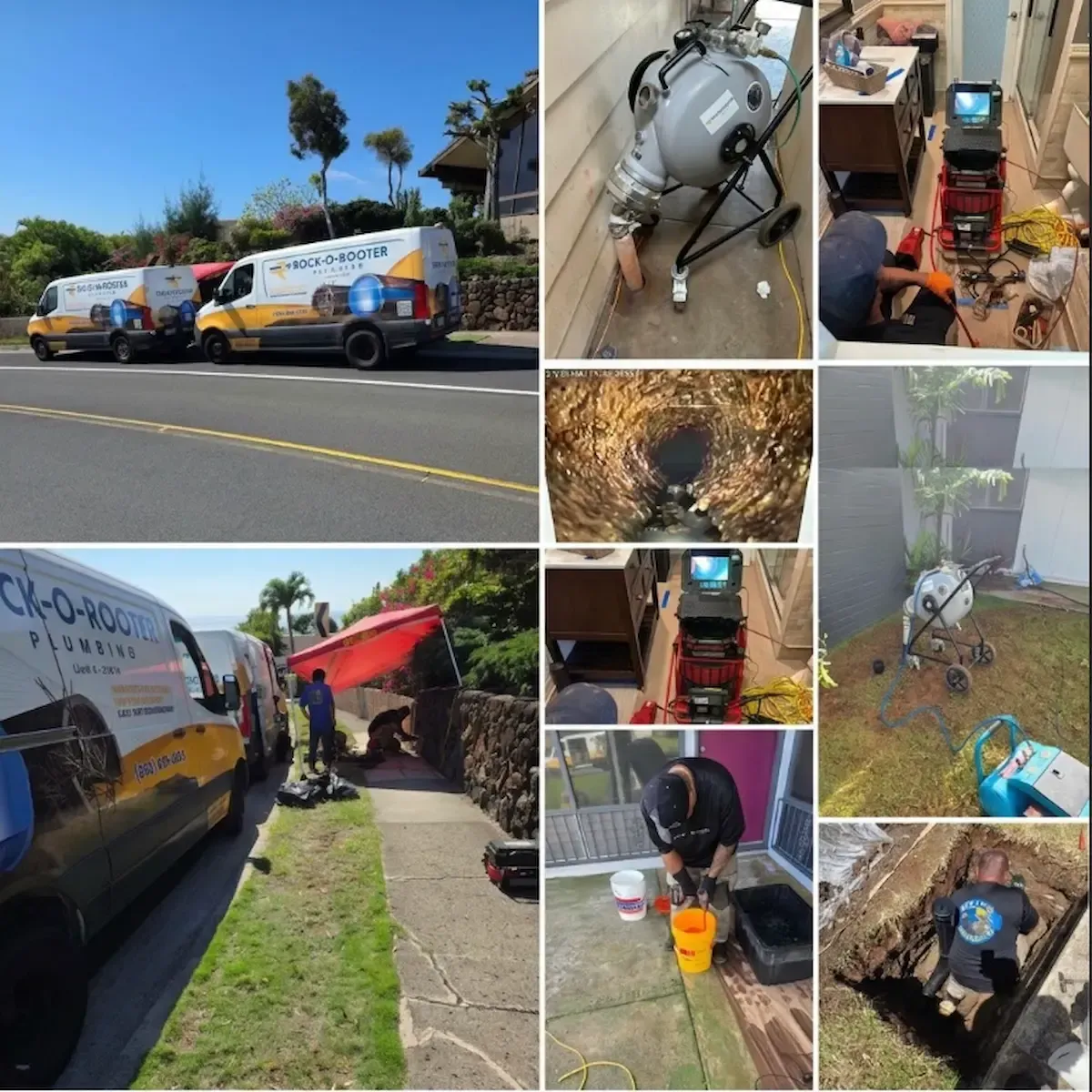
A camera inspection add-on lets us see the pipe before we set the pressure. That matters a lot with older clay and cast iron. A cracked or offset section needs a gentler approach, and sometimes a repair makes more sense than jetting altogether.
Here's what the camera shows:
- Where roots are entering the line
- Cracks, sags, and offset joints
- Grease or scale buildup
- How far down the pipe each problem sits
After jetting, a second pass confirms the line is clean. You get to see the results for yourself. Learn more about our camera inspections and how they guide your next step.
Is Hydro Jetting Worth It?
Many homeowners ask whether hydro jetting is worth it, and for most problem lines, the answer is yes. It clears the pipe wall instead of just poking a hole through the clog. As a result, you usually go longer between service calls, which adds up over time.
When you weigh the hydro jetting cost in Honolulu, HI, against repeat visits, water damage, and the cleanup after a backup, jetting often comes out ahead.
That said, jetting isn't the right move when the pipe is collapsed, badly cracked, or separated at a joint. Water pressure can't fix broken pipe. In those cases, we'll show you the footage and talk through sewer line repairs or trenchless pipe lining.
How Often Should You Schedule Jetting?
Your ideal maintenance jetting frequency depends on what's growing near your line and how you use your drains. Here's a rough guide:
- Big trees near the sewer line: Many homes do well with a yearly camera check, with jetting when roots show up.
- Busy kitchens or large households: Jetting every year or two can keep grease from hardening on the pipe walls.
- Light use and few trees: Jetting as needed, based on what the camera finds.
Fall is a smart time to schedule. A clean line heading into the wet season handles heavy rain better and is far less likely to back up when storms roll through.
Simple Ways to Keep Your Jetting Bill Down
You have more control over the final price than you might think.
- Keep your cleanout clear of plants, mulch, and clutter
- Call at the first sign of slow or gurgling drains
- Pour cooking grease in a can, never down the sink
- Ask for a camera check if clogs keep returning
- Book maintenance before the wet season starts
- Hire a licensed C-37 plumber, because unlicensed sewer work can leave you with a contract that won't hold up
How We Price Hydro Jetting at Rock-O-Rooter
We keep it simple. First, we look at your line and talk through what we find. Then we give you a quote that covers the labor and materials your job needs. Every cost is discussed openly before any work begins, so the final bill matches the plan.
Since every home is different, we don't post flat prices. Instead, we build a custom quote around your pipe's length, access, and condition.
Get a Clear Price for Your Line
Hydro jetting in Honolulu typically runs $400 to $900, and your line details determine where you land. Roots, grease, line length, and access all play a part. A camera check makes the quote more accurate and helps you avoid paying for the wrong fix.
When drains slow down, or backups keep returning, waiting can make the job bigger. Our team will inspect your line, explain your options in plain words, and hand you an upfront quote before any work starts. Contact us today to schedule your visit, or explore our
hydro jetting service to learn more.
Frequently Asked Questions
How much does hydro jetting cost in Honolulu?
ServiceAgent lists most Honolulu hydro jetting jobs at $400 to $900. Rock-O-Rooter provides a custom quote after checking your line's length, access, and condition.
Is hydro jetting more expensive than snaking?
Yes, upfront. Snaking costs less per visit but leaves buildup behind. Jetting cleans the full pipe wall, so it often saves money by reducing repeat calls.
Do I need a camera inspection before hydro jetting?
Not always, but it's smart for older lines or repeat clogs. Rock-O-Rooter uses the camera to spot cracks and roots, which helps set safe pressure.
Can hydro jetting damage old clay pipes?
It can if the pressure is too high or the pipe is already broken. Rock-O-Rooter inspects first and adjusts pressure to suit older clay and cast iron.
How often should I get my sewer line jetted?
Homes with heavy root growth often benefit from a yearly check. Others may need jetting every year or two. Scheduling in fall helps before the wet season.
Does Rock-O-Rooter charge hidden fees?
No. Rock-O-Rooter reviews every cost with you before work begins and aims for an all-inclusive quote that covers the core needs of your job.